
RCCD and UCR Bring Ethnic Studies Faculty Together for Association for Ethnic Studies Preconference Event
10/06/2026
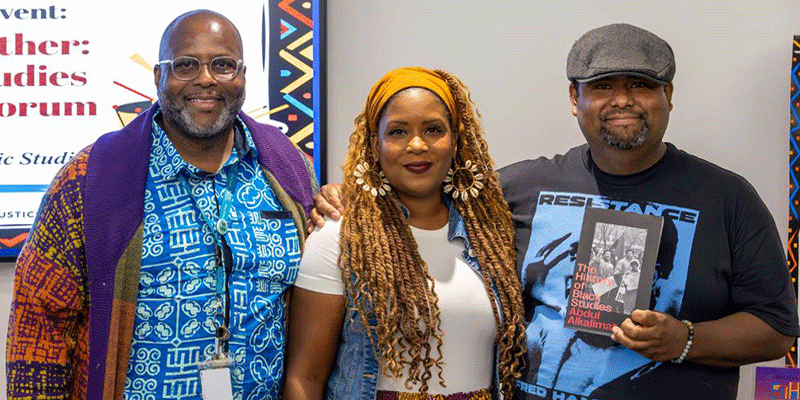
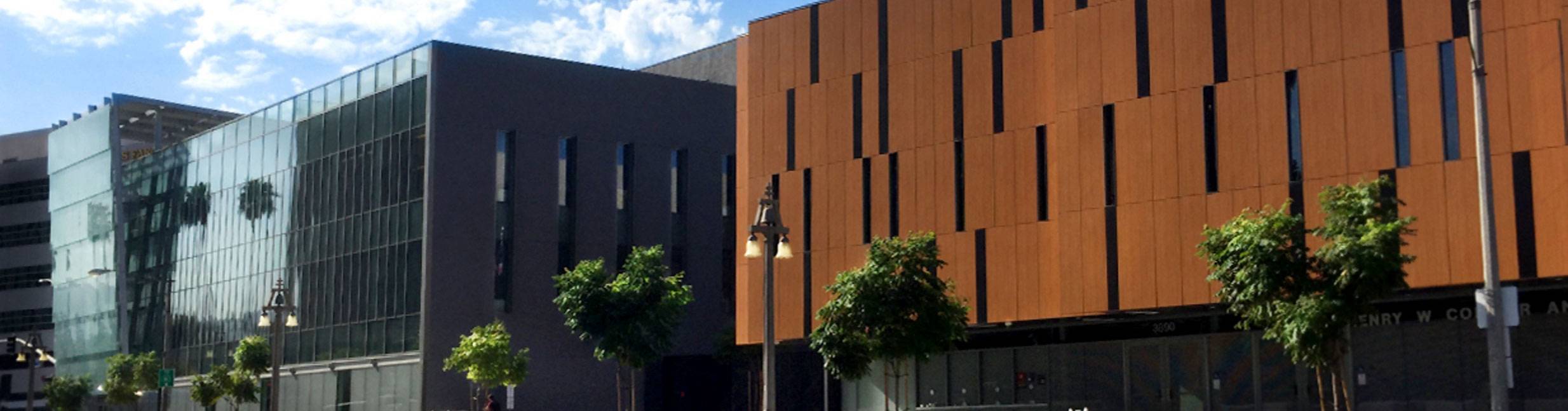
Faculty from the University of California, California State University and community college campuses across Riverside, San Bernardino and Los Angeles counties gathered Sept. 18 at Riverside City College for the Association for Ethnic Studies Preconference Event, held ahead of the association's 53rd annual conference.
The event was a joint effort between the Riverside Community College District and the University of California, Riverside. RCCD was selected to host the event, a significant honor for the district.
Melanie Lindsay, Ph.D., an associate professor of Ethnic Studies at Moreno Valley College, planned the event with Miguel Zavala, Ph.D., an associate professor of teaching in the School of Education at UCR, who also provided financial support. Lindsay is the only California community college Ethnic Studies faculty member currently serving on the association's planning committee.
Several faculty members helped facilitate the event, including Deborah Brown and LaShonda Carter, Ph.D., of Riverside City College; Robert De'Von Jiles, Ph.D., of Moreno Valley College; and Francisco Najera, a professor at Orange Coast College. Ezekiel Joubert III, Ph.D., co-chair of the Association for Ethnic Studies and an associate professor at California State University, Los Angeles, also took part. Jackie Robinson, administrative specialist to the dean of instruction in RCC's Languages, Humanities and Social Sciences Division, provided support for the event.
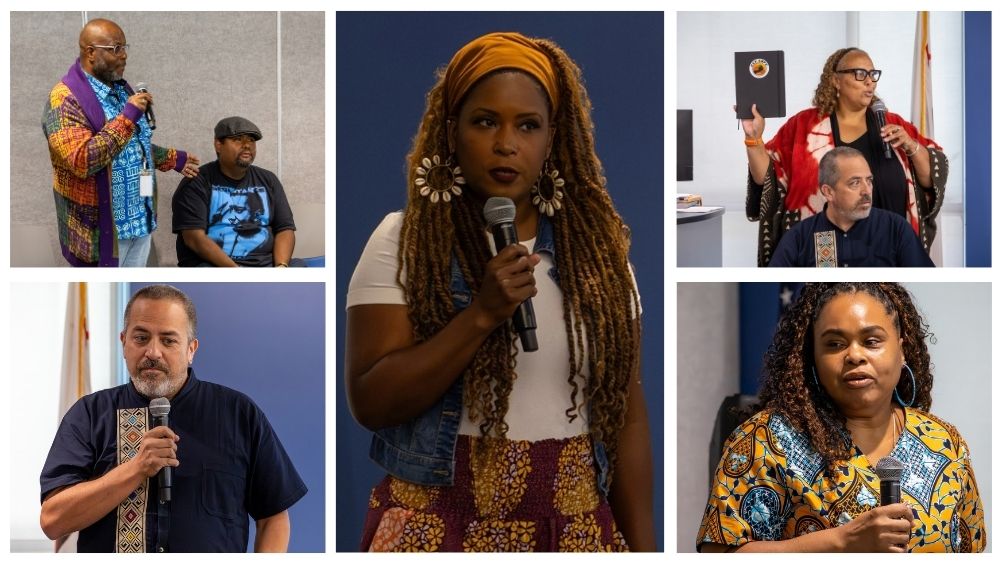
Titled "Rooted Together: An Ethnic Studies Community Forum," the gathering was part of the association's preconference programming for its annual conference, set for Oct. 15-17 at Cal State LA. The conference theme, "For the People: A Loving Defense for Ethnic Studies," shaped the day's discussions, which focused on staying rooted in community and allowing those connections to inform the field's work.
Instead of panels, the event was built around small-group conversations. Topics included the growth and sustainability of Ethnic Studies programs, community college-to-university pathways, faculty support and mentorship, student engagement and leadership, community-engaged Ethnic Studies, healing and belonging, and the field's future in the region.
"Ethnic Studies is important because it creates space for students and communities to engage history, culture and identity through a broader range of perspectives," Lindsay said. "The strength of the field also comes from our ability to learn from one another and remain connected to the communities we serve. Creating spaces for that exchange helps us continue building the field together."
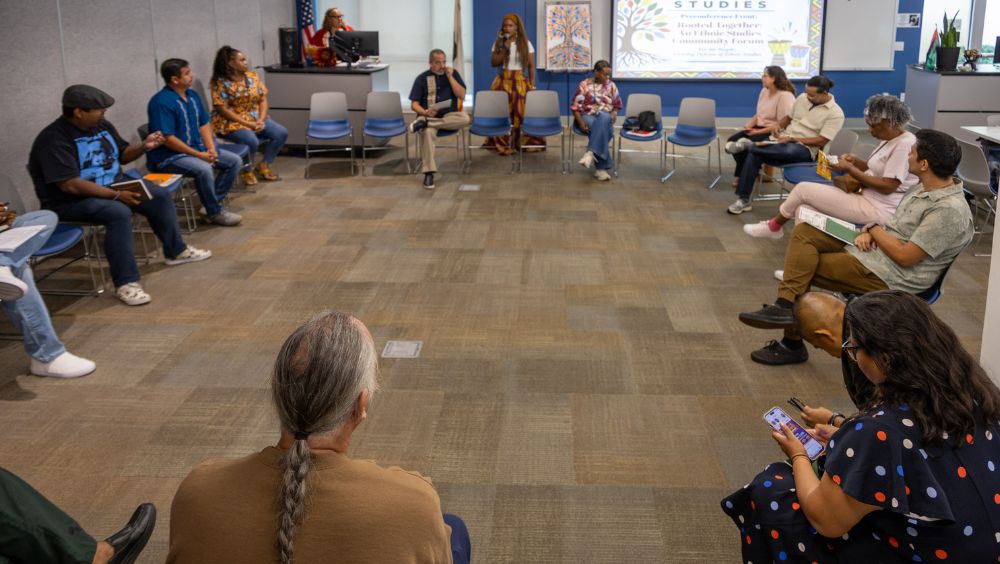
Three prompts guided the discussions. "We Know" covered strengths, resources and practices already in place. "We Need" covered shared challenges and gaps. "We Can Build" covered specific opportunities for collaboration and projects the group could pursue together.
Attendees also added to a Community Tree, noting what they could offer, what they were looking for and what they thought the regional Ethnic Studies community could build. The event gave community college, CSU and UC faculty a look at work happening beyond their own campuses and a chance to build relationships that can help students as they move through higher education.
The discussions will continue at the Association for Ethnic Studies' Oct. 15-17 conference at Cal State LA, which will bring together scholars, educators, students and community members.
Published by External Relations & Strategic Communications